

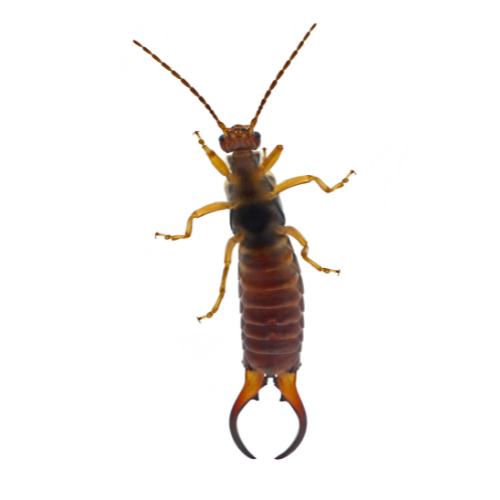
Earwigs
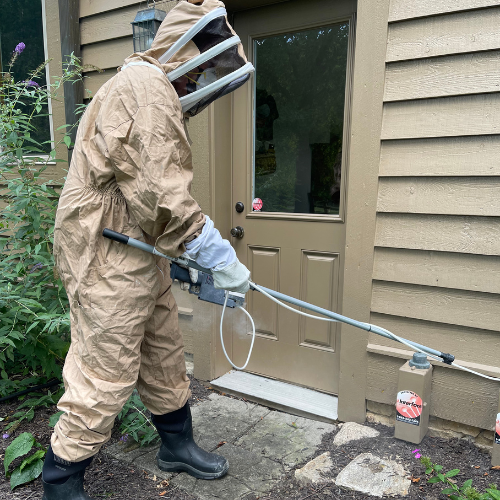
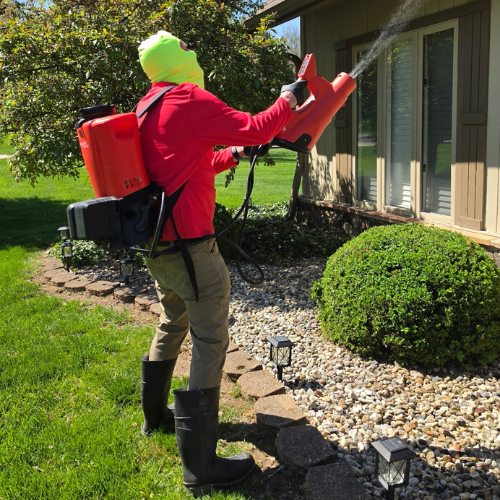
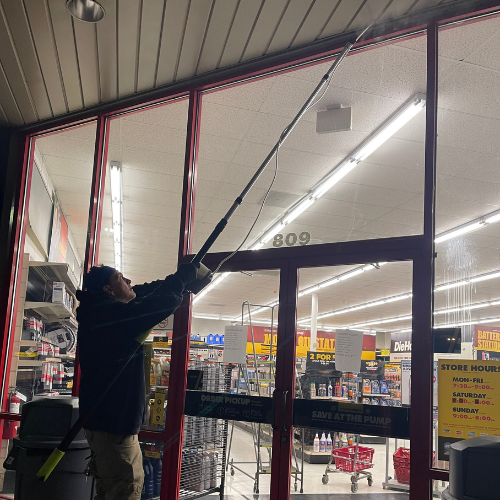
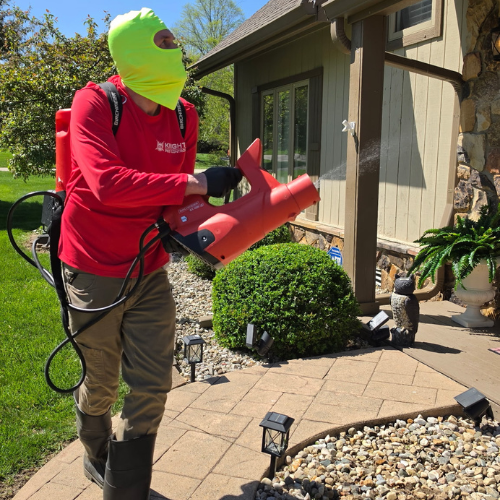
Earwig infestations—whether indoors or outdoors—require professional treatment for effective elimination. Knight Pest Control identifies earwig entry points, locates harboring areas, and applies targeted treatments to eliminate populations. We address both the infestation itself and the underlying moisture or environmental conditions that attracted them. For indoor infestations, we treat baseboards, crawlspaces, foundation cracks, and other harborage areas. For garden and landscape problems, we apply treatments to soil, mulch, and plant areas where earwigs congregate. Our approach is comprehensive and results-driven.
What Are Earwigs?
Earwigs are distinctive insects instantly recognizable by the large pincers (cerci) protruding from their rear end. Despite persistent myth, earwigs do not crawl into human ears. They are brown or reddish-brown, elongated insects measuring about 0.5 to 0.75 inches in length. Earwigs are nocturnal scavengers that feed on decaying plant matter, fungi, and occasionally living plant tissue. They prefer dark, damp environments and are typically found in soil, mulch, leaf litter, and under bark. While they can occasionally become pests in homes, Earwigs are primarily outdoor insects that can occasionally damage gardens, ornamental plants, and landscaping.
When Earwigs Become a Problem Indoors
Earwigs occasionally invade homes, particularly during periods of heavy rain or extreme heat when outdoor conditions become unsuitable. They enter through cracks, crevices, foundation gaps, and openings around doors and windows. Once inside, they seek dark, damp areas—basements, crawlspaces, bathrooms, and areas around plumbing. Large numbers of earwigs in a home may indicate excess moisture, favorable conditions near the foundation, or exterior entry points. Homeowners often discover earwigs in bathtubs, sinks, and other wet areas where they become trapped. While earwigs do not pose a direct health threat, their presence inside is unsettling. Persistent or large numbers may warrant professional treatment.
Garden & Landscape Damage
Earwigs are mainly scavengers, but large populations can damage seedlings, flowers, vegetables, and tender plant foliage. They feed on seedlings, vegetables, flowers, and tender plant foliage, creating ragged holes and damage. They are particularly attracted to dahlias, zinnias, marigolds, lettuce, celery, and other soft-tissue plants. Earwig damage typically appears as irregular holes and chewed edges on leaves and flowers. When populations are high, their feeding can cause noticeable damage to gardens and ornamental plants. Their nocturnal feeding habit means damage is often discovered in the morning, but the culprits are hidden by day.
Seasonal Activity
Earwigs are most active in warm months, particularly summer and early fall. They reproduce in late summer and early fall; females lay eggs in soil or protected locations that overwinter and hatch in spring. Peak complaints about indoor earwig invasions typically occur after heavy spring rains or during hot, dry spells when outdoor conditions drive them indoors. Garden damage is most visible mid-summer through fall as populations grow and feeding increases.
Seeing large numbers of earwigs in your home or noticing damage in your garden? Contact Knight Pest Control for professional identification and treatment.


Call Today. We Can Help.
(765) 465-5393Why Choose Knight Pest Control